Swimming
Learning to Float

I grew up in Jerusalem, and people naturally assume two things about me. First, I do not know how to swim. Second, I cannot ride a bicycle. This is a common notion among Israelis about Jerusalem natives, repeated so often it has become fact.
I understand the first assumption. There is no sea in Jerusalem. Except for a faint strip of blue, the Dead Sea in the distance, there are no accessible bodies of water. When I was a child, the only public swimming pool was at the YMCA, a graceful Mandate-era building in the center of town.
But the bicycle myth still puzzles me.
I did not learn to swim until I was twelve, when my parents decided I was old enough to take the bus to the YMCA by myself. Looking back, I suspect it was not geography that delayed me. It was fear.
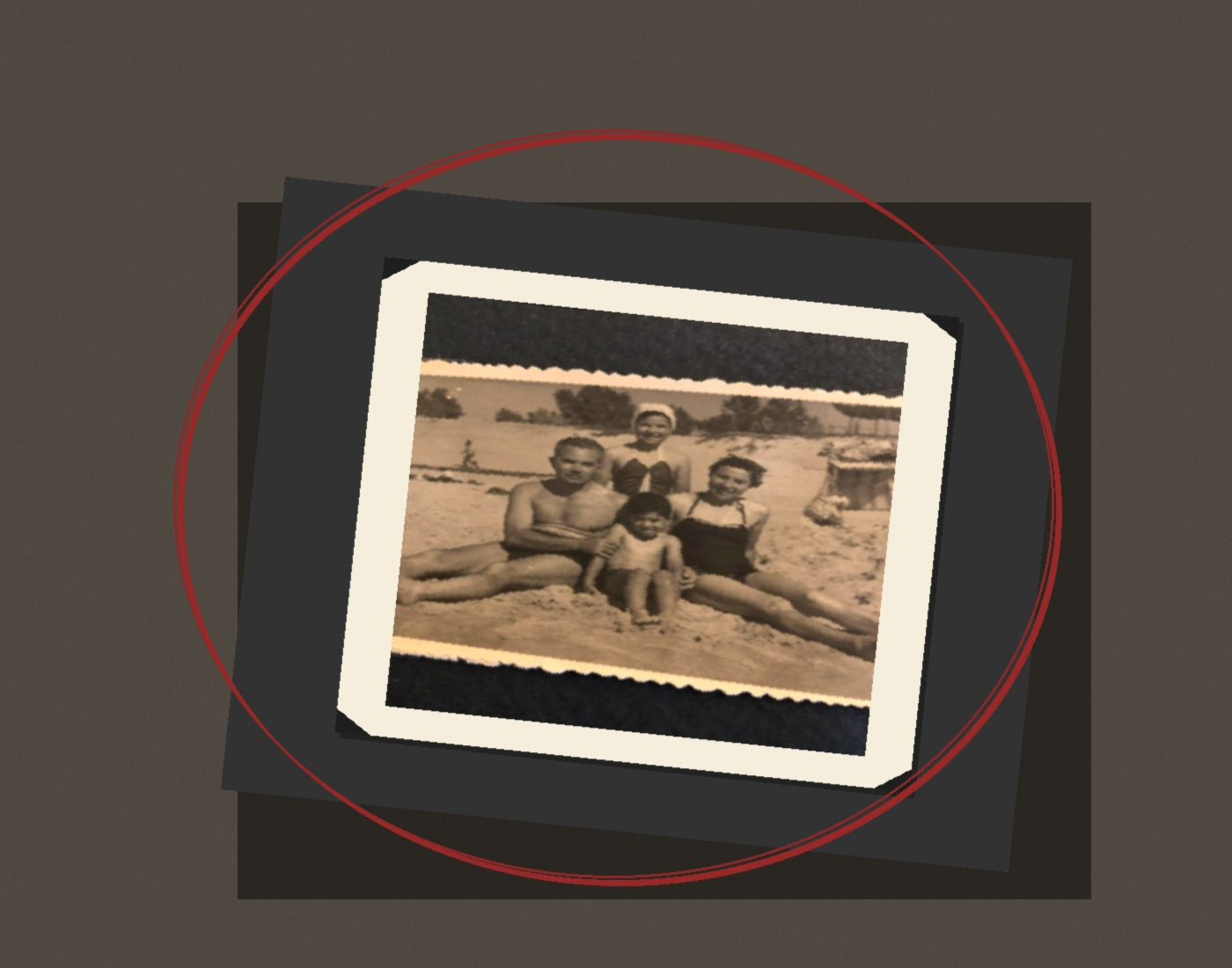
Every summer, because of my brother’s fragile health, our family doctor recommended weeks by the sea. And so each year, just before vacation began, my father took a day off from work and traveled to find us a small apartment by the shore. My brother and I would wait for him to return, impatient to hear where we would spend the summer. Close enough to hear the waves at night.
Close enough to taste salt in the air.
Yet I sat with my back to the water, digging moats around my castles and carving tunnels to guide the seawater in. When I touched it, it felt warm and accepting. Still, I resisted every nudge to turn and walk into the blue.
Strangely, it was not the sea that taught me to float, but a swimming pool in the middle of Jerusalem, reached by a bus ride I took alone.
The ride felt long and important. The bus passed our first home near the entrance to the city. It slowed near the open market, where women climbed aboard carrying baskets heavy with vegetables and fruit. We crossed Jaffa Street with its shops and cafés. We passed the old post office and the wall that for years divided the city into two rival parts, Arab and Israeli. Finally, the bus stopped near the King David Hotel and the YMCA.
Twice a week I crossed the street and walked under the arched corridor lined with tall palm trees that swayed above me. The pool waited at the end.
The instructor showed us the basic movements, then told us to lie back and trust the water to hold us. Trust that it would carry us safely.
I could not believe him. The idea seemed absurd. Everything in my body resisted surrender.
For months I repeated the journey. The bus ride. The corridor. The blue rectangle of water. My hands gripping the rough edge of the pool.
And then, one afternoon, I let go.
It happened in a single, quiet moment. I released the wall and allowed my body to fall backward. Instead of sinking, I rose. The water received me.
I floated.
It was a small victory in the eyes of the world. But to me it felt enormous. A private crossing.
For years I had sat on the sand with my back to the sea, certain the water was not meant for me. Now it held me without argument.
Years later, when I finally learned to ride a bicycle, I recognized the feeling.
The same brief surrender.
The same sudden balance.
Much of my writing begins with an image. In WRITING VISUALS: Documenting Memories Using Photographs, I share how photographs can open the door to memory and meaning.